
History of Horse Racing
Horse racing is one of the oldest sports in human history, with a history spanning over 4,000 years. What began as a form of military training and elite competition gradually evolved into a major global sport and betting industry.
Ancient Era
(Before the 5th Century)
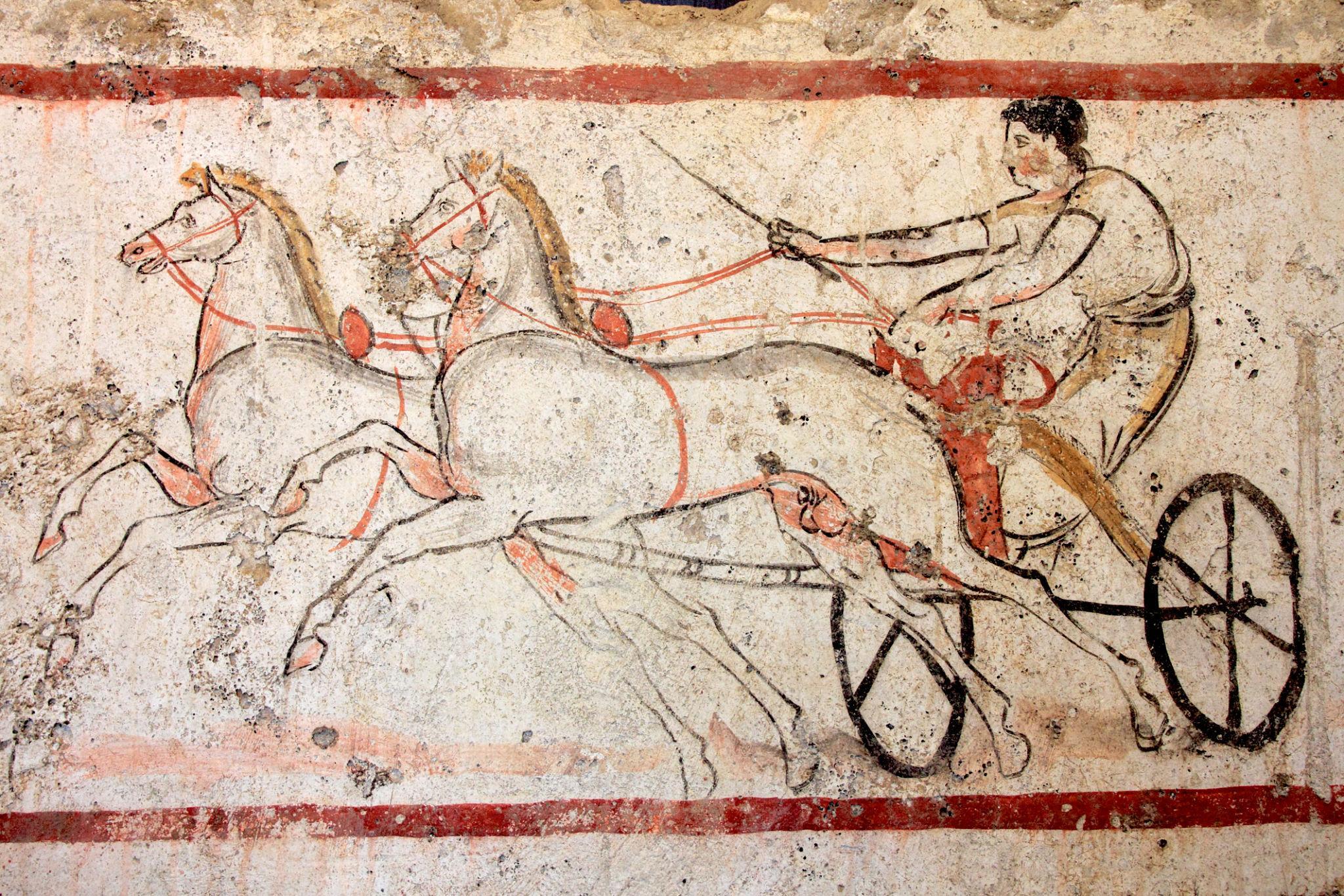
The earliest form of horse racing was not mounted horse racing but chariot racing.
Around 2000 BCE, chariots appeared in Central Asia and Mesopotamia. They were used for warfare and military training, and competitive races developed naturally from these activities.
In Ancient Greece, chariot racing became an official Olympic event in 680 BCE. Wealthy nobles owned the horses and competed through hired drivers.
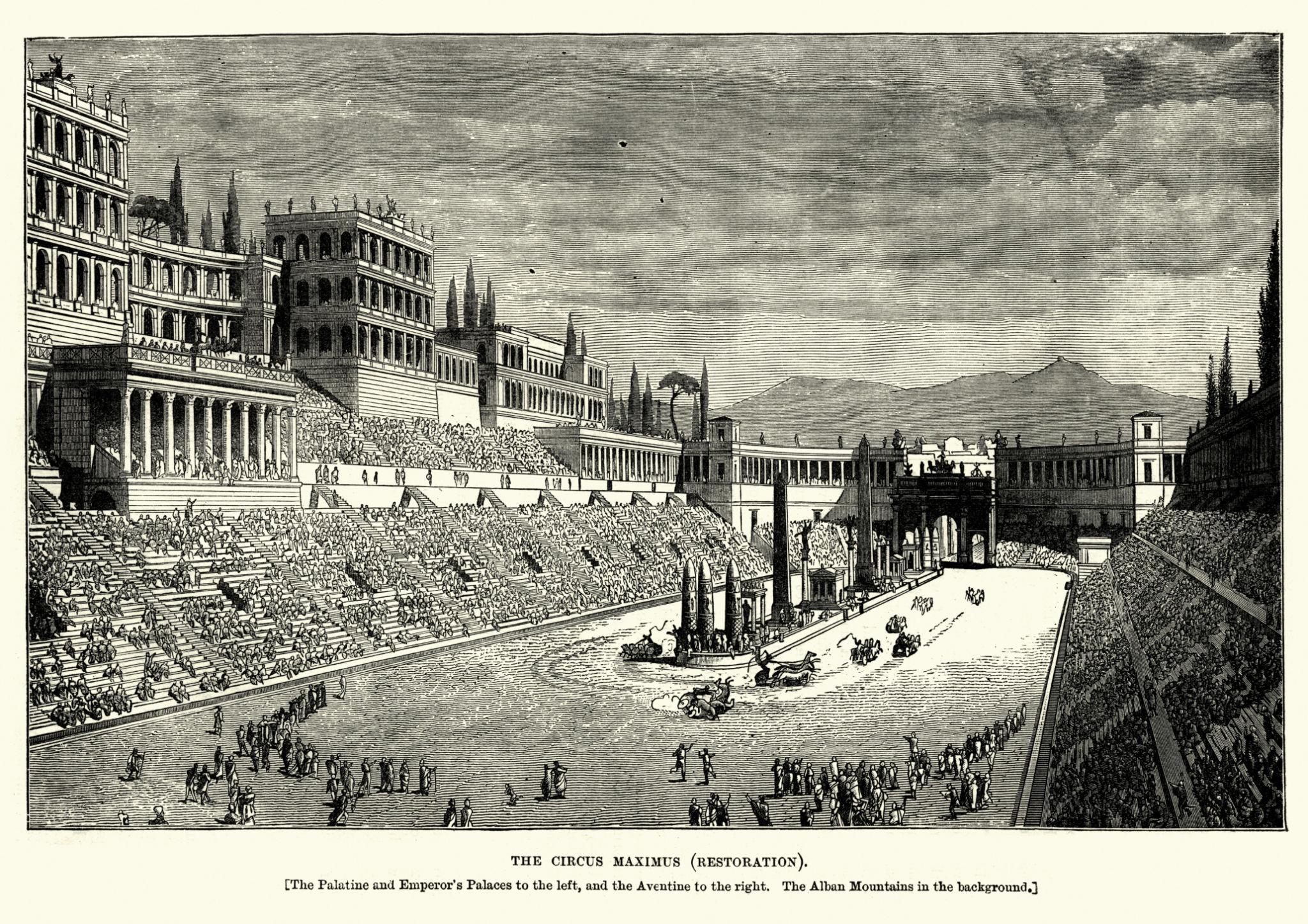
In Ancient Rome, large-scale chariot races were held at the Circus Maximus. This stadium could accommodate between 150,000 and 250,000 spectators. Racing teams formed fan factions similar to modern sports clubs.
At this time, races focused more on driving skill and strategy rather than the pure speed of the horse.
Around 2000 BCE, chariots appeared in Central Asia and Mesopotamia. They were used for warfare and military training, and competitive races developed naturally from these activities.
In Ancient Greece, chariot racing became an official Olympic event in 680 BCE. Wealthy nobles owned the horses and competed through hired drivers.
In Ancient Rome, large-scale chariot races were held at the Circus Maximus. This stadium could accommodate between 150,000 and 250,000 spectators. Racing teams formed fan factions similar to modern sports clubs.
At this time, races focused more on driving skill and strategy rather than the pure speed of the horse.
MEDIEVAL PERIOD
(5th–15th Century)
After the fall of the Roman Empire, horse racing traditions continued across different regions.
In Europe, knights used racing to test the speed and endurance of their war horses. These races often occurred during festivals or noble gatherings.
In the Middle East, Bedouin tribes bred and raced Arabian horses. Racing became a cultural and tribal competition.
Many modern racehorses trace their ancestry to Arabian bloodlines, which were prized for speed, stamina, and endurance.
In Europe, knights used racing to test the speed and endurance of their war horses. These races often occurred during festivals or noble gatherings.
In the Middle East, Bedouin tribes bred and raced Arabian horses. Racing became a cultural and tribal competition.
Many modern racehorses trace their ancestry to Arabian bloodlines, which were prized for speed, stamina, and endurance.
BIRTH OF MODERN HORSE RACING
(17th–18th Century England)
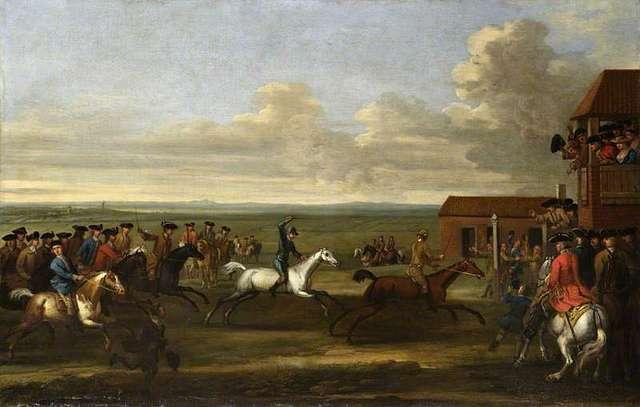
Modern horse racing originated in England.
In the 17th century, King Charles II strongly promoted horse racing and established Newmarket as the center of the sport.
During the 18th century, the Thoroughbred racehorse breed was developed.
Three foundation stallions formed the basis of the modern Thoroughbred lineage: Byerley Turk, Darley Arabian, and Godolphin Arabian.
More than 99 percent of modern Thoroughbred racehorses can trace their bloodlines back to these three horses.
In the 17th century, King Charles II strongly promoted horse racing and established Newmarket as the center of the sport.
During the 18th century, the Thoroughbred racehorse breed was developed.
Three foundation stallions formed the basis of the modern Thoroughbred lineage: Byerley Turk, Darley Arabian, and Godolphin Arabian.
More than 99 percent of modern Thoroughbred racehorses can trace their bloodlines back to these three horses.
GLOBAL EXPANSION
(19th Century)
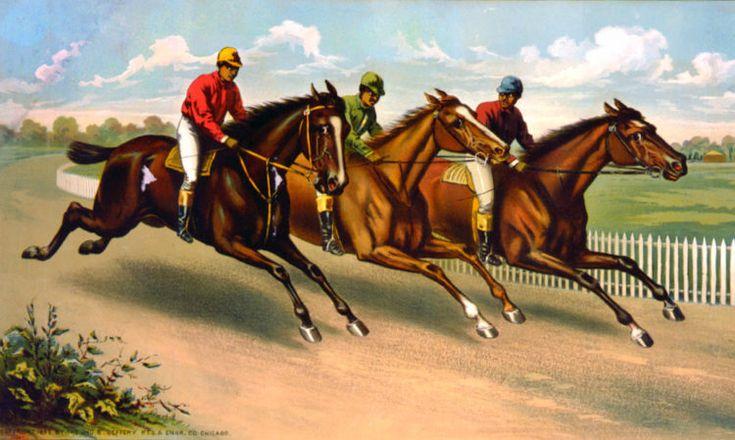
During the 19th century, horse racing spread rapidly around the world.
Major racing regions included the United States, France, Japan, Australia, and Korea.
Famous races established during this era include the Kentucky Derby (1875), the Melbourne Cup (1861), and the Prix de l'Arc de Triomphe (1920).
This period also saw the development of organized racetracks, professional jockeys and trainers, and structured betting systems.
Major racing regions included the United States, France, Japan, Australia, and Korea.
Famous races established during this era include the Kentucky Derby (1875), the Melbourne Cup (1861), and the Prix de l'Arc de Triomphe (1920).
This period also saw the development of organized racetracks, professional jockeys and trainers, and structured betting systems.
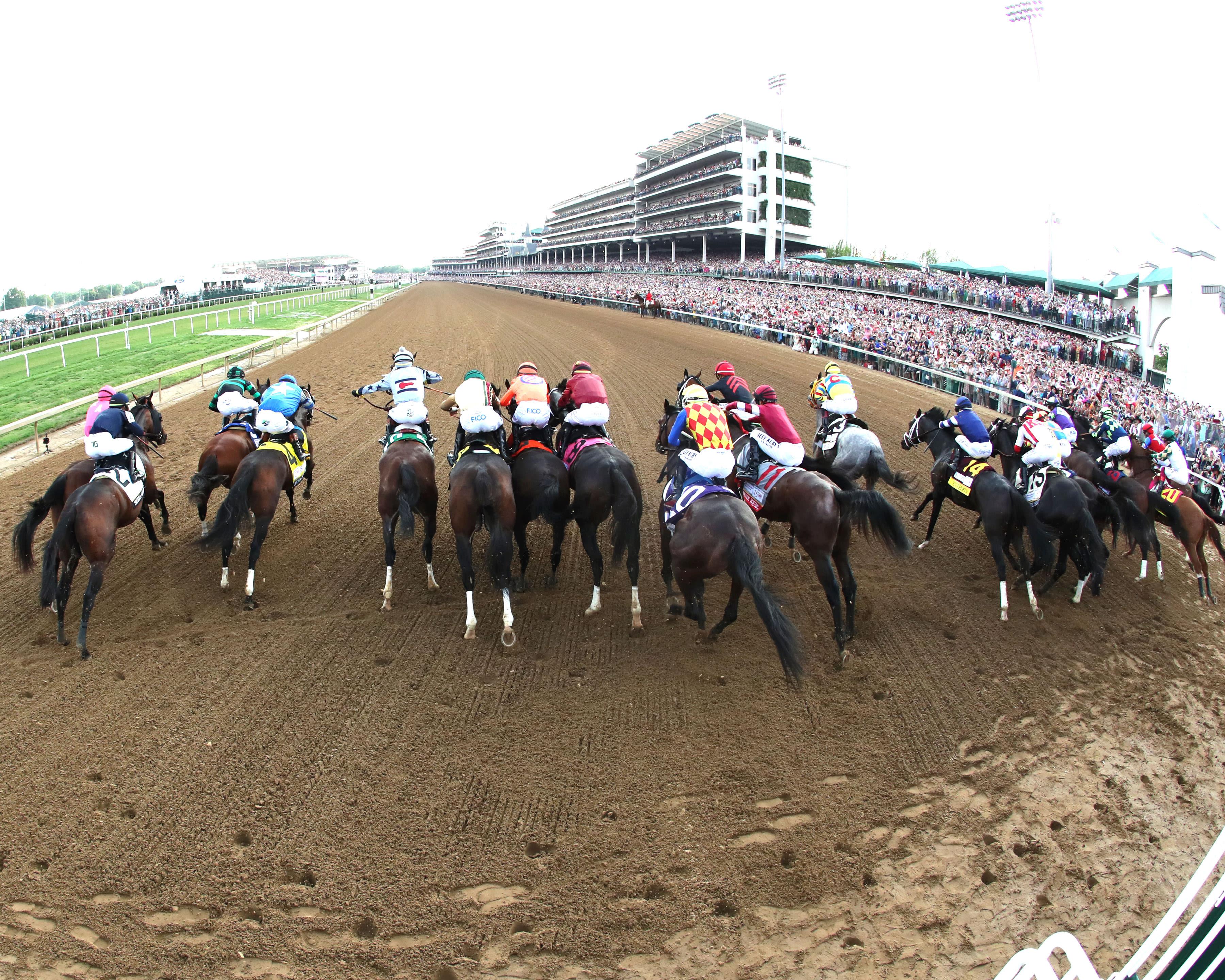
MODERN HORSE RACING INDUSTRY
(20th Century – Present)
Today, horse racing is both a major sporting event and a global betting industry.
The global horse racing industry generates over 100 billion dollars annually.
Leading racing nations include Japan, the United States, the United Kingdom, Australia, and Hong Kong.
Modern racing relies heavily on breeding programs, performance data analysis, advanced training methods, and real-time betting systems.
Top racehorses can reach speeds of around 70 km/h (43 mph).
The richest horse race in the world is the Saudi Cup, with a total prize purse of about 20 million dollars.
The global horse racing industry generates over 100 billion dollars annually.
Leading racing nations include Japan, the United States, the United Kingdom, Australia, and Hong Kong.
Modern racing relies heavily on breeding programs, performance data analysis, advanced training methods, and real-time betting systems.
Top racehorses can reach speeds of around 70 km/h (43 mph).
The richest horse race in the world is the Saudi Cup, with a total prize purse of about 20 million dollars.